When a fantasy scene feels empty, the problem is often not “more detail.” It is usually that the environment is missing the right functional props.
A good prop set tells the player what happens in a space: what people make, store, eat, repair, worship, fight with, or hide. The list below is designed as a practical production reference for Unity, Unreal Engine, Blender, low-poly projects, stylized games, survival games and dark-fantasy environments.
If you want a shorter scene-specific list, use the free Fantasy Scene Prop Checklist. If you are deciding what to buy first, the free Fantasy Game Asset Budget Planner can turn a scene type and budget into a smaller purchase plan.
Blacksmith forge props
A forge should communicate heat, metalwork, storage, repair and production.
- Main forge or furnace
- Anvil
- Bellows
- Quenching trough
- Hammer rack
- Tongs rack
- Tool chest
- Weapon rack
- Coal or charcoal bin
- Scrap metal pile
- Workbench
- Grinding wheel
- Water bucket
- Ingot stack
- Leather apron hook
The strongest forge scenes usually have one clear work loop: heat → shape → cool → store. You do not need dozens of random objects if those four steps are readable.
Alchemy laboratory props
Alchemy rooms work best when they combine experimentation, ingredients, storage and controlled danger.
- Distiller
- Mortar and pestle
- Test tube rack
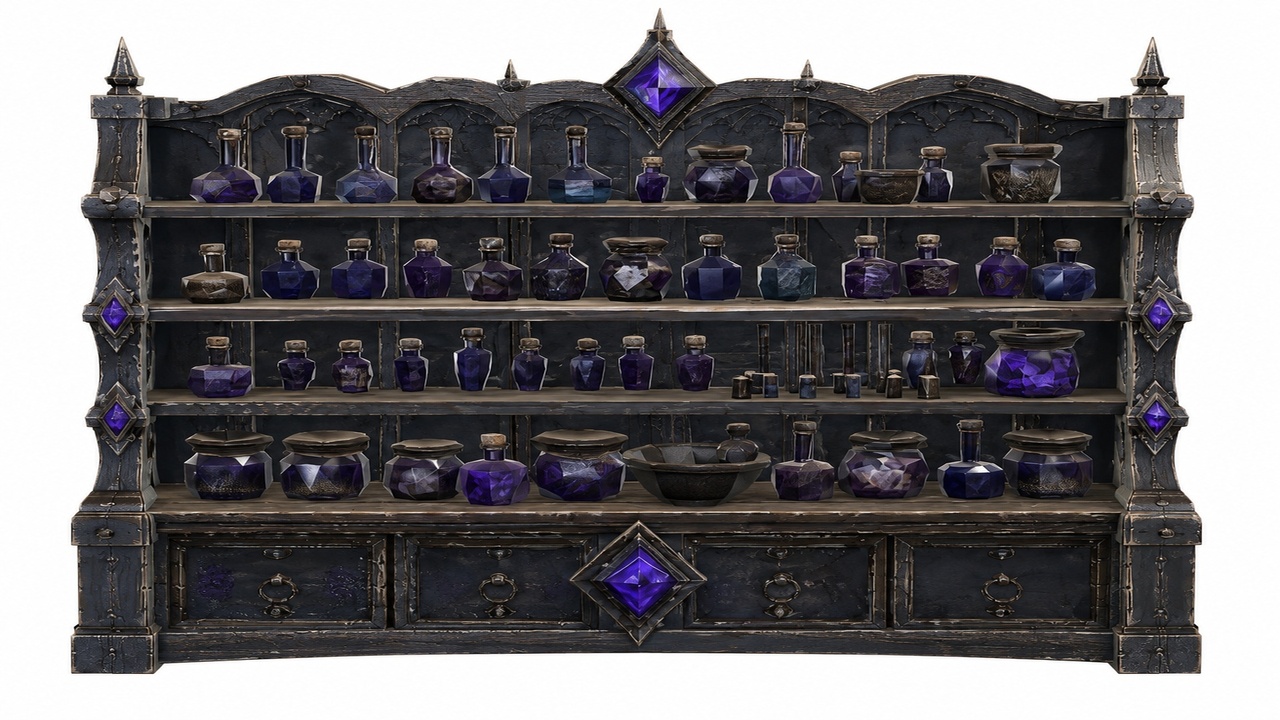
- Ingredient shelf
- Drying rack
- Cauldron
- Potion bottles
- Herb bundles
- Crystal container
- Grimoire lectern
- Mixing bowl
- Measuring tools
- Ingredient sacks
- Sealed storage chest
- Hanging alchemy light
For a darker arcane direction, keep the magical glow concentrated in a few hero objects instead of making every bottle emit light.
Gothic armory props
An armory needs to communicate preparation, maintenance and weapon organization.
- Sword rack
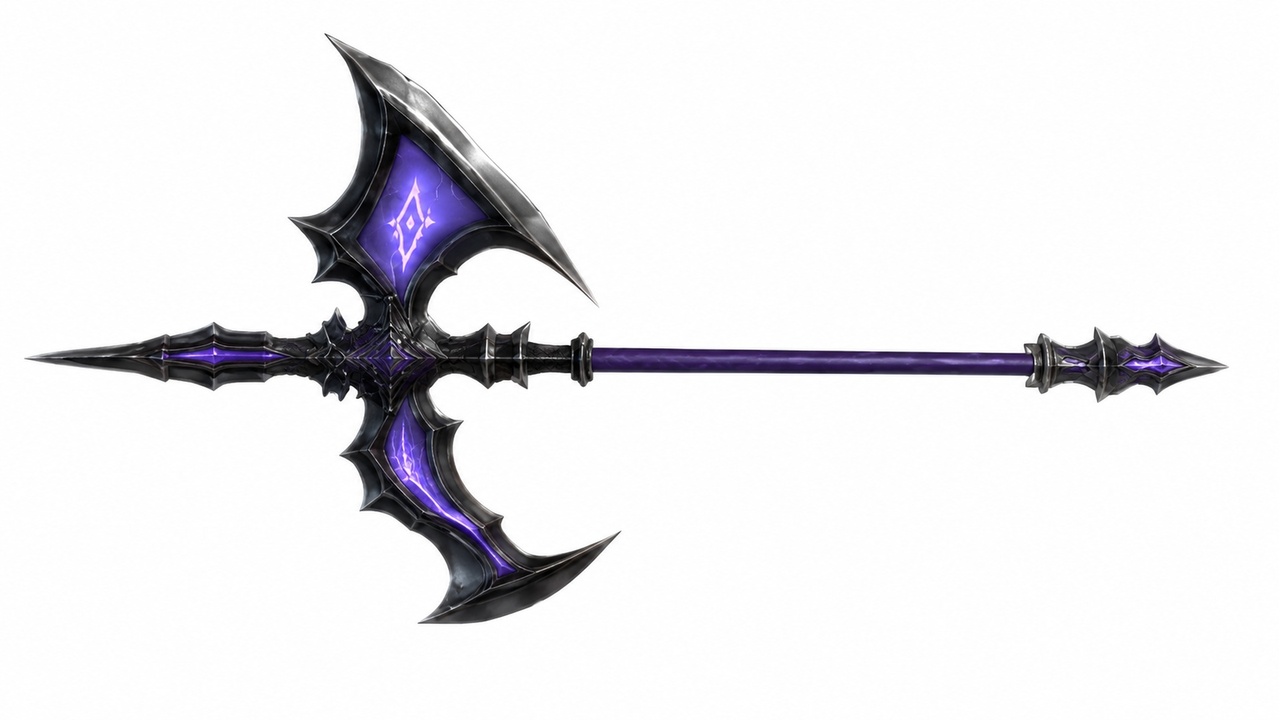
- Axe rack
- Polearm stand
- Shield display
- Armor stand
- Bow rack
- Quiver storage
- Training dummy
- Weapon maintenance bench
- Whetstone station
- Equipment chest
- Helmet shelf
- Chain or restraint hooks
- Banner or heraldry panel
- Trophy display
If the room contains many weapons, use racks and repeated storage logic. A pile of unrelated weapons often reads as clutter rather than an intentional armory.
Fantasy workshop props
A workshop can support crafting, repairs, engineering, enchanting or general production.
- Main crafting table
- Secondary workbench
- Tool rack
- Storage chest
- Material barrel
- Resource sack
- Bookshelf
- Parts tray
- Clamp or vise
- Small stool
- Floor mat
- Hanging lamp
- Wall shelf
- Blueprint or map board
- Finished-item display stand
A believable workshop benefits from clear zones: materials, active work, and finished storage.
Tavern and inn props
Taverns need social and service objects, not just tables and chairs.
- Long dining table
- Small round table
- Wooden stool
- Bench
- Bar counter
- Ale barrel
- Mug rack
- Bottle shelf
- Food crate
- Serving tray
- Wall candle holder
- Fireplace tools
- Notice board
- Coat or weapon hooks
- Storage cabinet
The fastest way to make a tavern readable is to build a clear service path from storage to bar to seating.
Survival camp props
A survival camp should communicate temporary living, resource collection and defense.
- Tent or simple shelter
- Bedroll
- Cooking pot
- Food storage crate
- Water container
- Firewood pile
- Tool box
- Weapon stand
- Supply sack
- Lantern
- Map table
- Rope coil
- Repair bench
- Barricade
- Watch post marker
For survival scenes, avoid overdecorating. Every prop should look like something the player or inhabitants actually need.
Ritual room props
Ritual scenes need a hierarchy: one major focal point supported by smaller ceremonial objects.
- Ritual floor panel
- Altar
- Candle cluster
- Ceremonial chair or throne
- Grimoire stand
- Offering bowl
- Relic display
- Wall symbol or trophy
- Ingredient vessel
- Boundary marker or floor mat
The focal object should be visible first. Smaller props should reinforce it instead of competing with it.
How many props should a small environment use?
There is no universal number, but a compact playable room often needs fewer unique assets than artists expect. A useful starting point is:
- 3–5 hero or functional props that explain the room.
- 5–10 supporting props for storage, tools and interaction.
- A small reusable set of containers, lights and fillers.
Reusing a consistent barrel, chest, sack, shelf or light is usually better than introducing a new visual style for every corner.
Build a coherent pack instead of collecting random props
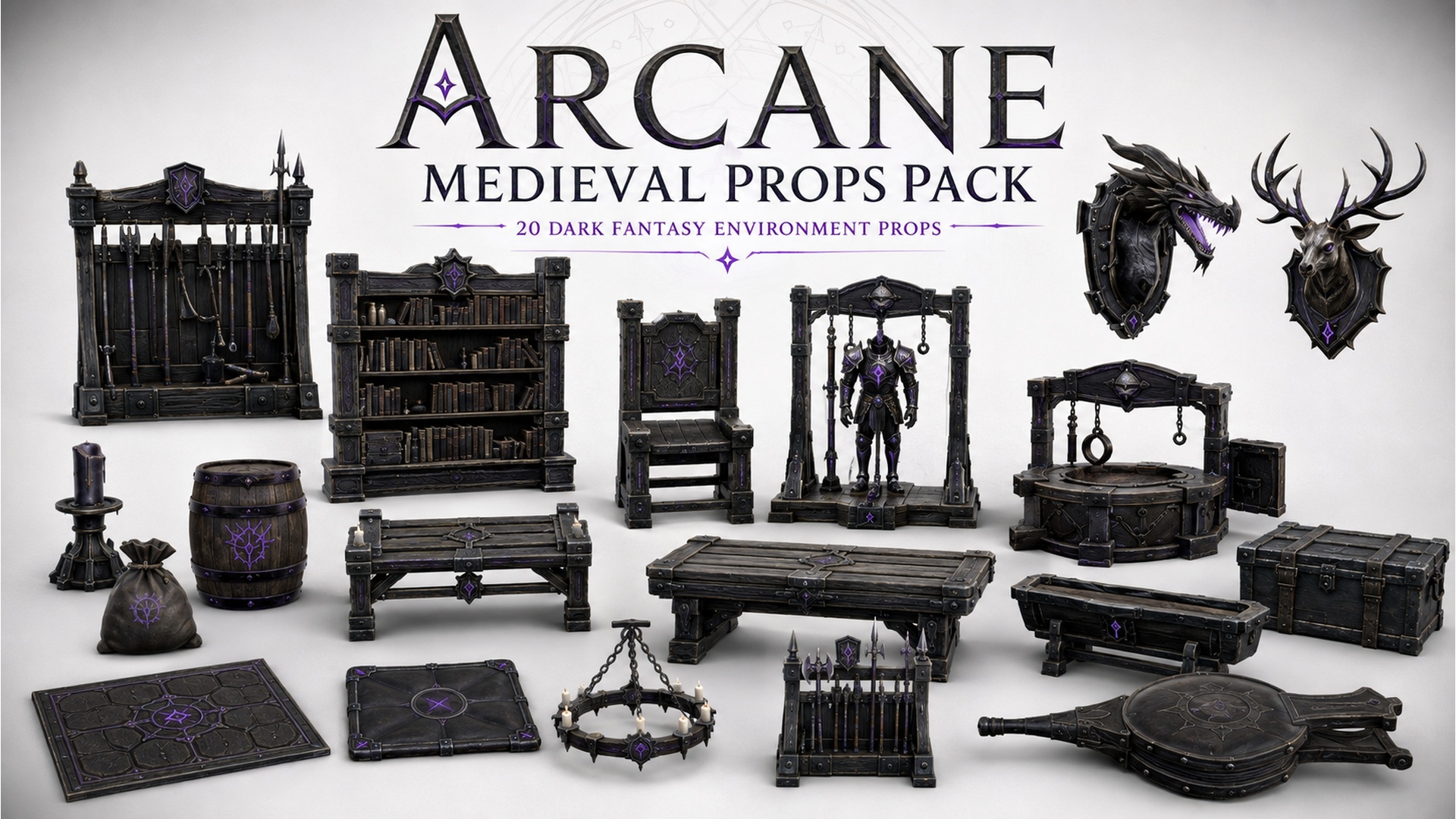
When buying or producing assets, prioritize consistency in:
- scale and proportions;
- material language;
- edge treatment and stylization;
- metal and wood values;
- magical accent colors;
- construction logic;
- naming and pivot setup.
That consistency is one reason themed sets are often more useful than a larger collection of unrelated individual objects.
You can browse the current Knit of Shadows catalog for fantasy props, weapons, blacksmith items and arcane sets. Final prices and licenses are always confirmed on Fab.
For planning before buying anything, start with the free prop checklist or the free asset budget planner.
These current Fab listings fit the production topic discussed above.
Fantasy Dungeon Stalactite Ceiling — $4.99 →
Fantasy Ancient Worn Satchel — $4.99 →
Fantasy Gothic Arcane War Banner — $4.99 →
If the catalog is missing a specific piece, review the custom 3D scope and send a focused request.
Request a custom asset →